Do you tip at a cooking class?
Tipping is not expected at Italian cooking classes. What the norm actually is, what private-chef etiquette says, and what helps your host more than cash.

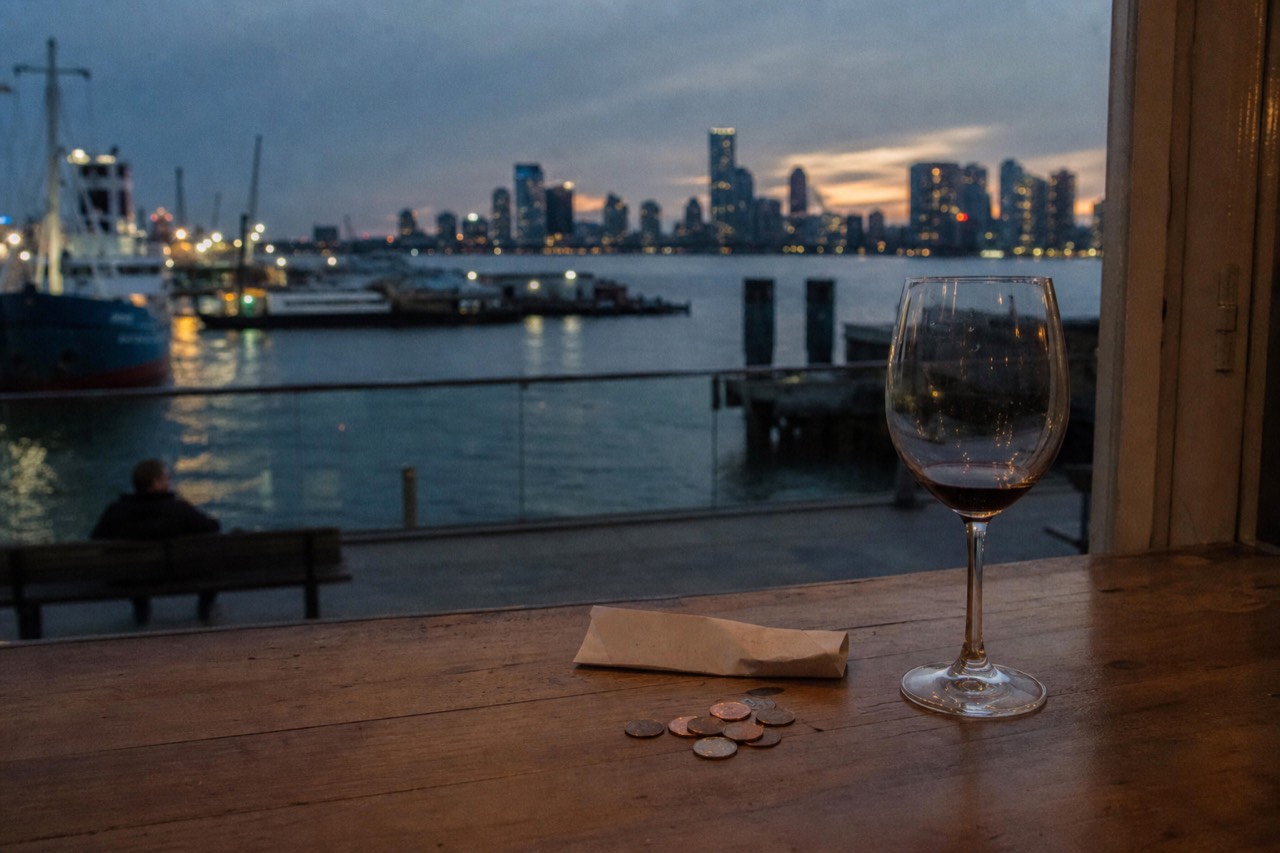
At the end of a Florence cooking class there is usually a moment where the group stands up from the table, everybody thanks the chef, and one American reaches for their wallet while nobody else does. That pause is the whole question. Nothing has gone wrong, and nothing is expected.
Italy does not run on tipping the way the United States does. Restaurant staff are paid a wage rather than topped up by strangers, service is often folded into the bill already, and a hospitality worker who receives nothing extra has not been slighted. A cooking class sits even further from the tipping zone than a restaurant does, because you have already paid a per-person price that covers the chef's time, the ingredients, the equipment and the food you eat.
Is a tip expected at an Italian cooking class?
No. Cooking classes in Italy are sold as a fixed per-person experience, and the price covers the chef, the ingredients, the apron, the equipment and the meal. There is no service line, no tip prompt at the end, and no local expectation of one. Leaving nothing is completely normal behaviour.
Look at what you actually bought. Every class we compared in Florence includes apron, ingredients and equipment, and the meal is part of the ticket rather than a bill that arrives afterwards. There is no bill. The transaction closed when you booked, which removes the thing tipping normally attaches itself to.
The staffing model differs too. A class is usually run by the person who owns the business or works directly for it, not by a server living on the end of a shift. A tip in Italy says "that was lovely" rather than "here is the rest of your pay".
What does Italian tipping etiquette say for chefs?
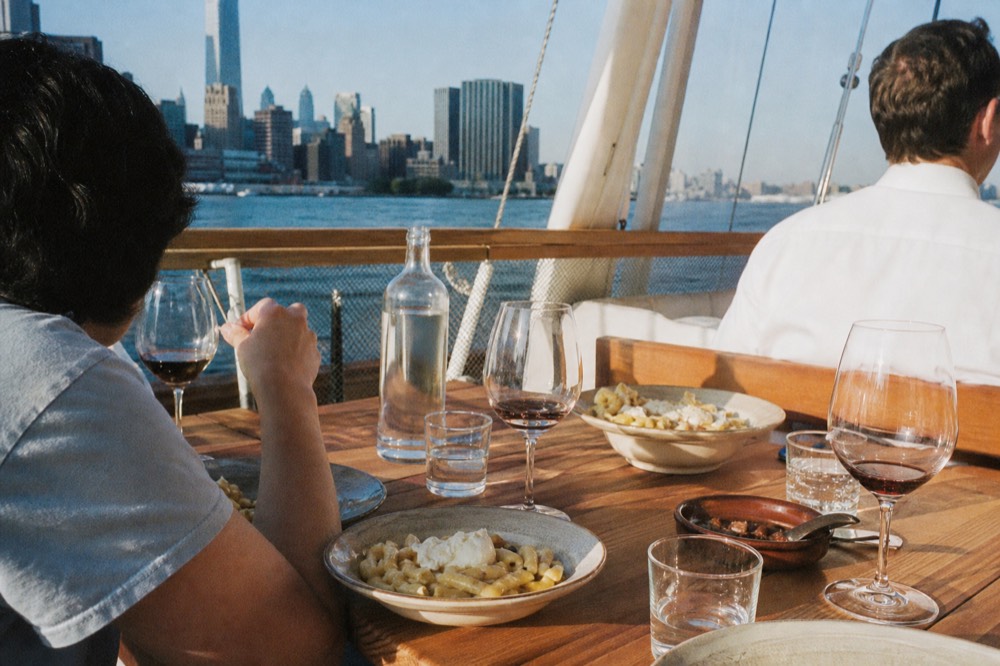
The closest formal norm is private-chef tipping, which in Italy runs 5 to 15 percent of the total with 10 percent typical for excellent service. Even there it is described as not obligatory, and a service charge may already have been applied. A group cooking class is a further step removed from that.
That range is useful as a ceiling rather than a target. Tipping guidance for private chefs working in Italy puts the band at 5 to 15 percent, notes 10 percent as the usual figure for excellent service, and makes the point that it is never required and that a service charge is sometimes already built in. A private chef cooking in your villa is a personal service booked directly. A group class you joined with nine strangers is a scheduled product with a listed price.
The gradient runs like this: private chef at home, a real but optional convention; restaurant, rounding up is common and nothing is fine; group cooking class, nobody expects anything.
| Situation | Is a tip expected? | What is normal | If you want to give something |
|---|---|---|---|
| Group cooking class in Italy | No | Nothing at all | A few euro to an outstanding host, quietly |
| Market tour plus class | No | Nothing at all | Buy something at a stall instead |
| Private chef cooking for you | Not obligatory | 5 to 15 percent, 10 typical | Ask whether service is already included |
| Restaurant meal | No | Rounding up, or a couple of euro | Leave coins on the table, not a percentage |
| Coffee standing at a bar | No | Nothing | Small change in the dish if you like |
| Private guide or driver | No | A small thank-you if the day was long | Cash, discreetly, at the end |
Notice what is missing from that table: any row where a percentage is owed. That is the difference between Italy and the country most of our readers are flying from.
What should American travellers do differently here?
Unlearn the percentage. In the US a 20 percent tip is close to compulsory because it is part of how service workers are paid. In Italy it is a discretionary extra on top of a wage, so the same gesture that reads as polite at home can read as slightly odd, and the same nothing that reads as rude at home reads as ordinary.
The instinct to over-tip comes from a good place, so it helps to know where the goodwill lands. Handing a chef 20 percent of a $58 class will not offend anyone, but it marks you out and buys nothing you did not already have.
If the class was excellent, write the review instead. Small operators live on their rating and review count, and a class at 4.9 across a few hundred reviews sits in a very different competitive position from one at 4.9 across fifteen thousand. Your paragraph is worth more than your five euro.

Against those European price bands, the Florence classes on this site look sharp rather than cheap. The wider picture of what a class in Italy costs sets the city against Rome, Venice and the Amalfi Coast, where the 2026 price bands published by chef-booking platforms climb steeply. The etiquette does not change between the two obvious candidates, so Rome and Florence on the same evening comes down to the food rather than the envelope.
What helps your host more than cash?
A detailed review with a photo, an honest rating, and telling the operator directly what worked. If you still want to give money, a few euro from the group left discreetly at the end is more than sufficient. Buying something at the market stall your chef recommends is a better gesture again.
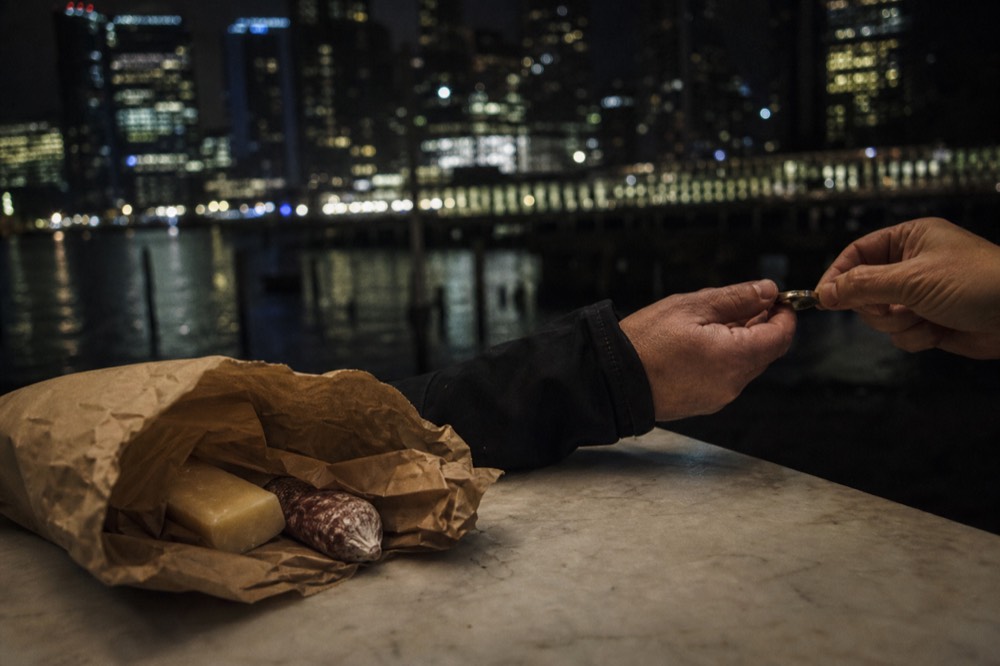
There is a version of generosity that fits the local culture better than a note folded into a palm. On a market morning the chef has just shown you the counters they trust, so spending ten euro at one of them puts money into the same food economy and sends you home with pecorino.
Be specific in the review, too. "Great class" helps nobody. "The chef explained why the dough rests, walked us through two flours and sent the recipes" tells the next traveller what they are buying.
If you are still choosing which class to book, the food economy angle is strongest on the market format, where the shopping is half the point. Check what your date has open for the 3h30 morning version, or browse the market classes grouped on our homepage alongside the kitchen-only alternatives. Our guide to how the shop-then-cook morning runs covers what the walk includes.
For the classic kitchen version at a lower price, the big unlimited-wine class is the one to check live availability for, and the dessert version is worth a look if there is a tiramisu fan in the group; you can see dates and the current price for that one, with the tiramisu sessions set side by side if you want the cheaper of the two. Before you go, what to wear in a working kitchen answers the other question everyone asks, and every Florence class compared lays out the ratings, prices and lengths in one table.
So: no tip, no awkwardness, no envelope. Say thank you properly, leave a real review that evening while the meal is still in your head, and let the money you did not spend go to the cheese counter instead.